About Siren & Safe
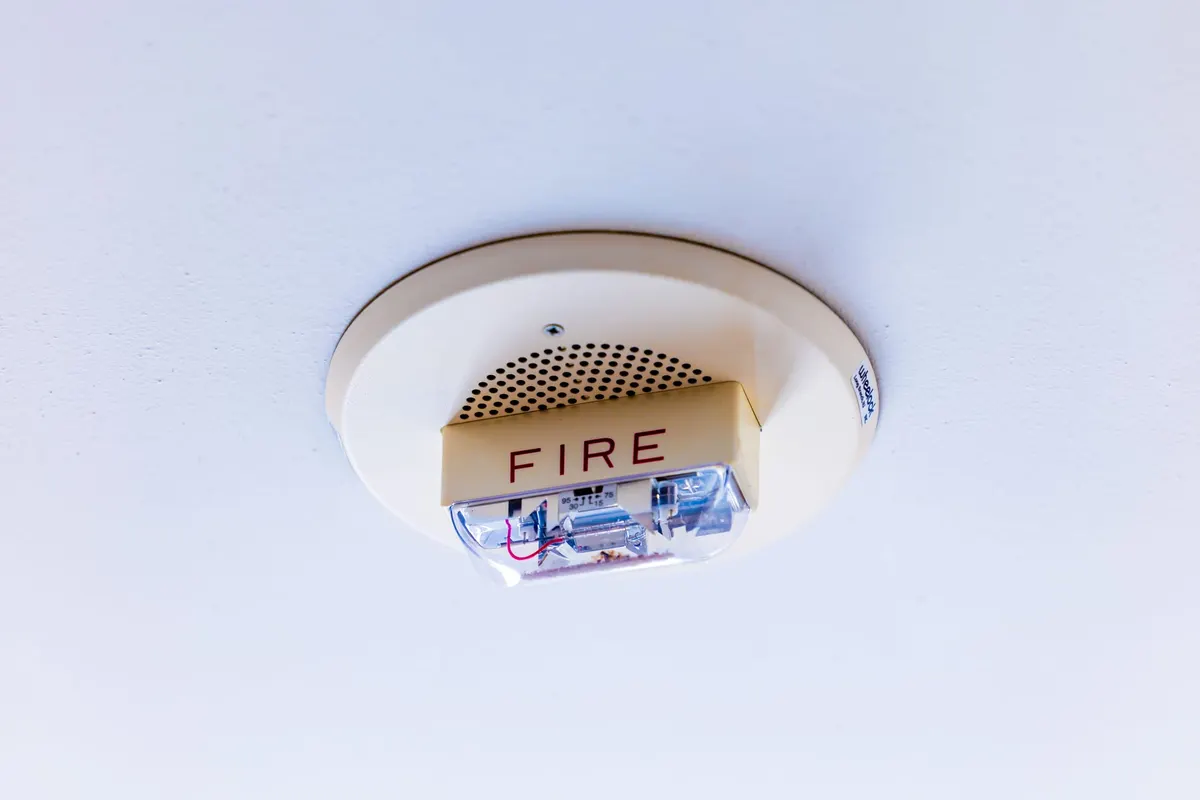
Fire and carbon monoxide safety gets bought as a product decision when it is mostly a placement decision. Every smoke alarm on the shelf has passed the same UL 217 tests, so which brand goes on the ceiling matters far less than how many alarms a house has and which rooms they are in -- and that is the part a product listing never covers. Carbon monoxide is served worse still: a listed alarm is required by UL 2034 not to sound below 30 ppm, so the device most households rely on is built to stay quiet through exactly the chronic low-level exposure they are worried about.
Siren & Safe leads with the placement question instead of burying it. It covers smoke alarms, carbon monoxide alarms, fire extinguishers, fire blankets and escape ladders, and it names the standard behind each claim -- UL 217 for smoke alarms, UL 2034 for CO alarms, UL 711 for extinguisher ratings, EN 1869 for blankets -- with every placement rule traced to NFPA 72 (2025) or the residential code by section. It is just as plain about where it stops: no laboratory, no test chamber, no burn tests, so rankings rest on published listings, manufacturer manuals and the findings of organizations that do test, each credited by name. It publishes no star ratings, no review counts and no testimonials, shows no prices at all, and stays inside residential US code rather than writing vaguely enough to appear to cover everywhere.
Siren & Safe is free to read because it earns Amazon Associates commission when a reader buys through one of its links, at no extra cost to that reader. It caches no retailer prices, so every buy link goes to the listing where the current figure is shown, and commission never decides the order of a list. That is the same arrangement every site in this portfolio runs on: one named owner writing the pages, no credential claimed that the owner does not hold, and the method and its limits stated on the site rather than buried. This hub carries no affiliate links at all. Read the full affiliate disclosure.